In a significant escalation of cross-strait tensions, Taiwan's Ministry of National Defence (MND) reported on Saturday morning that it had detected 14 Chinese military aircraft, nine naval vessels, and one official Chinese ship operating in the vicinity of Taiwan. The latest maneuvers took place over a 24-hour period ending at 6:00 AM local time (UTC+8).
Taiwan Mobilizes Defense Systems in Response
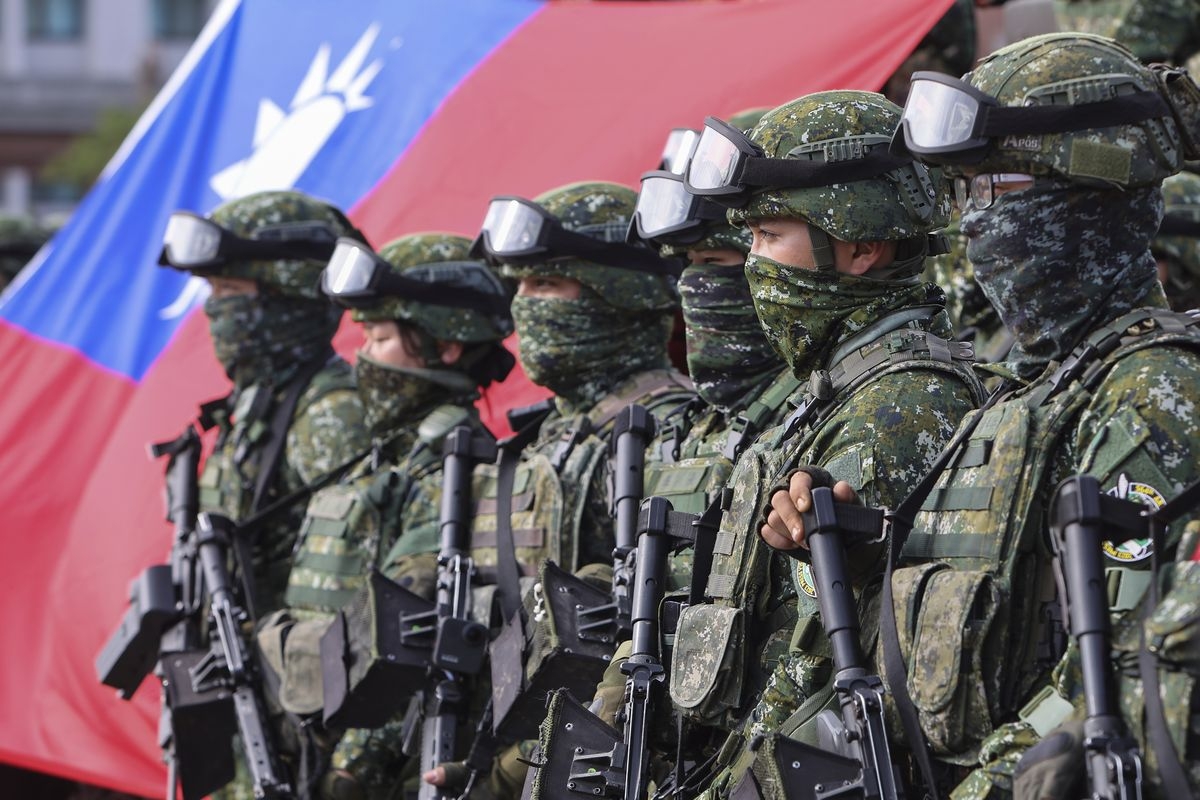
In response, Taiwan’s armed forces deployed aircraft, naval ships, and coastal missile systems to monitor and track the incursion. The MND confirmed that nine of the 14 Chinese aircraft crossed the median line of the Taiwan Strait—a traditionally respected unofficial boundary—entering the island’s northern and eastern Air Defence Identification Zone (ADIZ).
"We have monitored the situation and responded," Taiwan’s Ministry of National Defence stated in a post on X (formerly Twitter).
This marks one of the more aggressive military postures by Beijing in recent weeks, further exacerbating already heightened tensions between the two sides.
Context: Ongoing China-Taiwan Tensions
The incursion comes amid growing concern over China's military assertiveness in the Indo-Pacific, especially around Taiwan, which Beijing views as a breakaway province. Taiwan, on the other hand, maintains its independent democratic governance and continues to push back against unification efforts.
On June 28, Taiwan President Lai Ching-te addressed the issue during a national congress of the ruling Democratic Progressive Party (DPP). He accused Beijing of using “influence warfare” and military intimidation to annex Taiwan as part of its broader goal of the “great rejuvenation of the Chinese nation.” Lai warned that the threat posed by China would remain regardless of which political party holds power in Taiwan.
Taiwan’s 10-Day Military Exercises Underway
The incursion also comes amid Taiwan’s ongoing 10-day military drills, designed to simulate responses to potential large-scale attacks and cyber intrusions. These exercises aim to improve Taiwan’s readiness in the face of increased PLA (People's Liberation Army) activity around the island.
Domestic Political Headwinds
In addition to external threats, President Lai also acknowledged internal challenges. Speaking in his role as DPP chairman, he criticized the opposition-controlled legislature, accusing it of bypassing standard legislative procedures and weakening the executive branch by slashing government budgets.
Held under the theme "Better Democracy, Better Taiwan," the DPP congress called on the public to support the party’s efforts to safeguard Taiwan’s sovereignty through civil engagement and mass mobilization.
Civil Society and Democratic Movements
Lai paid tribute to Taiwan’s history of civic activism, referencing the 1990 Wild Lily student movement and the 2014 Sunflower Movement — both of which were instrumental in rallying public opposition against perceived pro-China policies. He emphasized that Taiwan’s democratic resilience stems from its active civil society and engaged citizenry.
What’s Next?
With military activity around the island on the rise and political polarization growing domestically, Taiwan faces a critical juncture. As cross-strait tensions simmer, all eyes will remain on Taipei’s strategic responses and Beijing’s next moves.