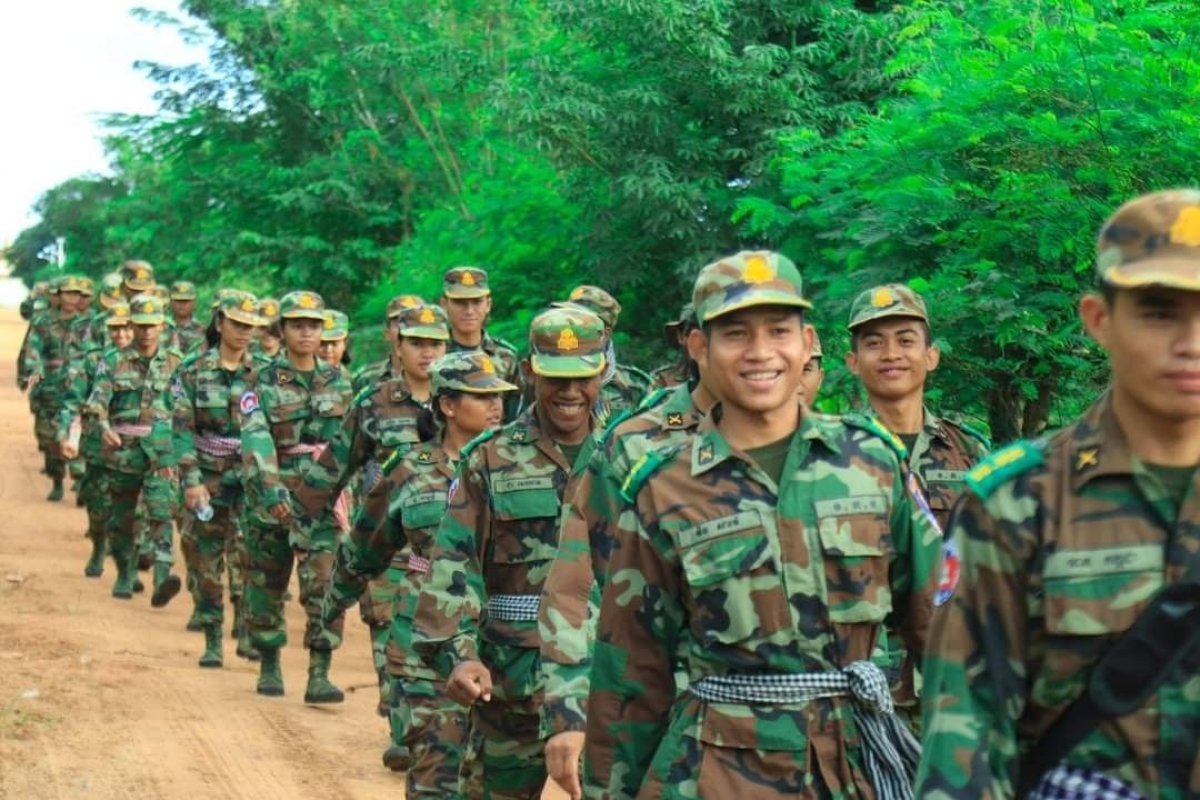
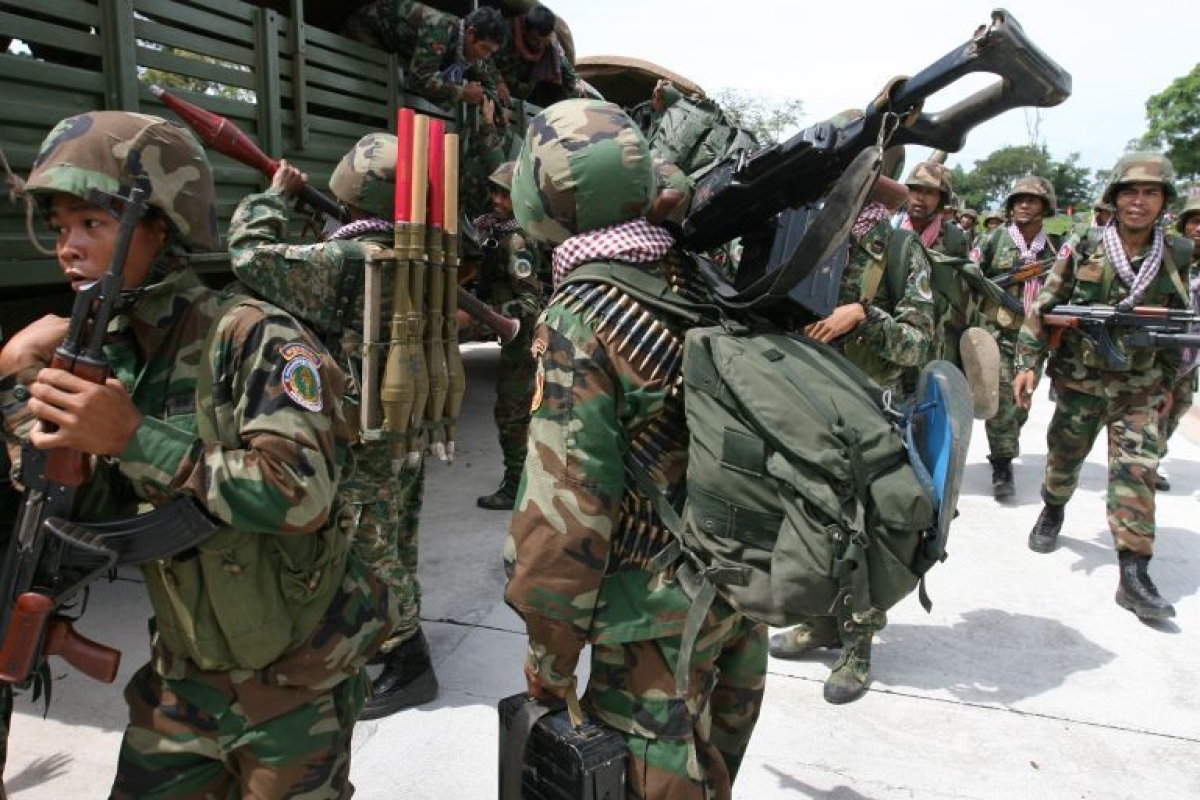
The longstanding territorial dispute between Thailand and Cambodia exploded into full-scale violence this week, marking the worst cross-border conflict in over a decade. What began as isolated military skirmishes has escalated into a humanitarian crisis, with both sides deploying heavy weapons, including rocket launchers, fighter jets, and tanks.
Latest Developments at a Glance:
Ground Report: Escalation Beyond Expectations
“We were sleeping when the shelling began. We fled with only the clothes on our backs,” said Somchai Rattanakul, a farmer from Thailand’s Surin province now sheltering in a government-run camp. Similar accounts of hurried evacuations have emerged from Oddar Meanchey and Preah Vihear provinces in Cambodia, where families have fled under cover of darkness.
In a press briefing Friday morning, a spokesperson from Thailand’s Ministry of Defence confirmed the use of F-16 fighter jets to strike what were deemed "active Cambodian military positions" after multiple BM-21 rocket launches reportedly killed civilians on Thai soil.
A Regional Flashpoint with Global Attention
This is not the first time the Thailand-Cambodia border has turned into a battleground. Between 2008 and 2011, intermittent fighting caused dozens of deaths and mass displacement. The main point of contention remains control over regions surrounding ancient Khmer-era temples, particularly the Preah Vihear Temple, a UNESCO World Heritage site.
A ruling in 2013 by the International Court of Justice (ICJ) ordered both nations to withdraw troops from around the temple, stabilizing tensions for over a decade. However, fresh skirmishes since May 2025 — including the killing of a Cambodian soldier — have reignited nationalistic fervor and military build-up on both sides.
What Sparked the Latest Clash?
Thai authorities allege the current crisis began when Cambodian troops laid landmines along an unmarked portion of the border, injuring five Thai soldiers. This led to diplomatic retaliation: Thailand expelled Cambodia’s ambassador, further souring already frayed relations.
Cambodia claims it acted in self-defense, accusing Thai forces of conducting unauthorized patrols in disputed territory.
Civilian Zones Under Fire
Both countries have traded accusations over targeting civilian infrastructure:
Global Reactions & UN Intervention
Voices from the Region
“This is not just a border conflict; it's a test of ASEAN’s ability to keep peace among its members,” said Dr. Ravindra Suri, a Southeast Asia geopolitical analyst based in Singapore.
“We’ve seen a worrying uptick in military nationalism in both countries — it’s a dangerous game,” added Chariya Sok, a political journalist from Phnom Penh.
What Lies Ahead?
As both armies continue mobilizing, fears of a wider and more prolonged conflict are rising. Border trade has ground to a halt, and schools across at least 10 Thai and Cambodian districts have been shut indefinitely. Aid agencies are calling for safe humanitarian corridors, warning of a potential refugee crisis if the fighting continues.
The next 48 hours will be crucial as the UN Security Council convenes, and ASEAN attempts to broker dialogue. But on the ground, for tens of thousands of civilians caught in the crossfire, peace remains a distant hope.