
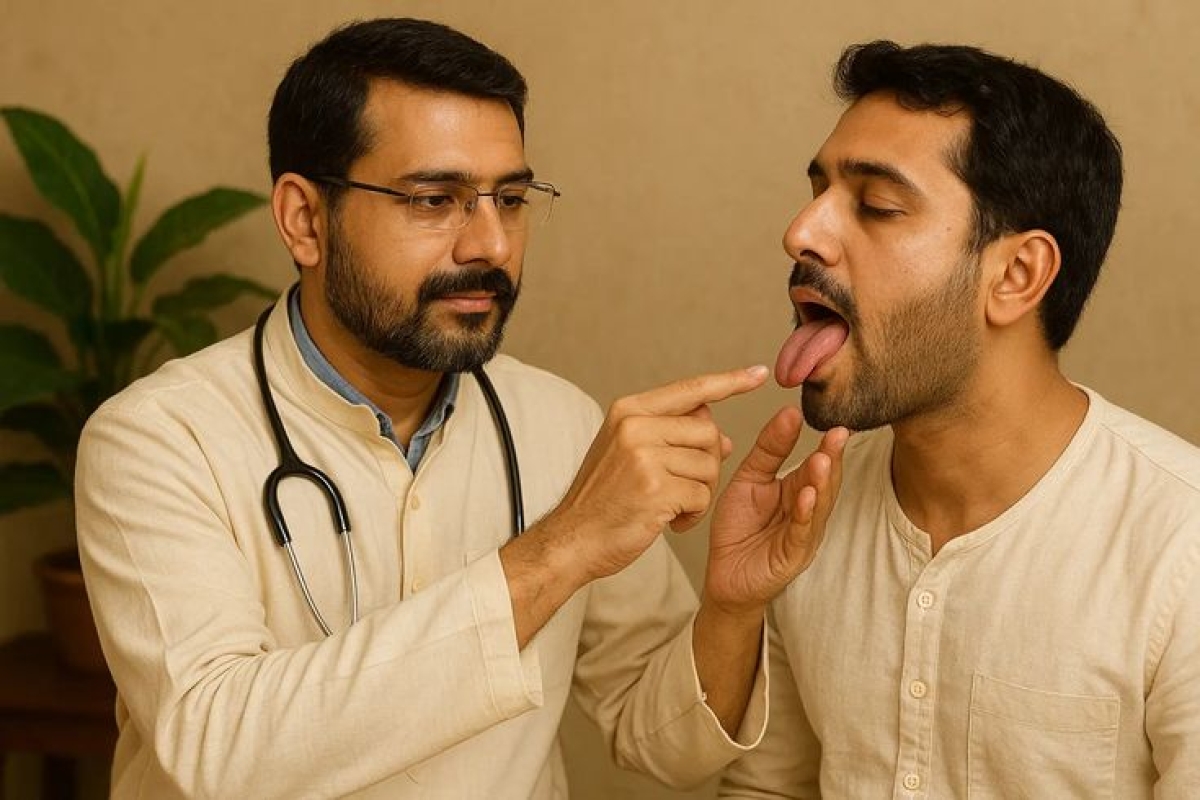
In an informative and engaging discussion held as part of the Healthy India, Happy India initiative, medical experts urged the public to prioritize early diagnosis and make meaningful lifestyle adjustments to prevent the escalation of Gastroesophageal Reflux Disease (GERD)—a condition that’s increasingly affecting young Indians due to modern-day habits and stress.
The webinar, titled "GERD-Free Living: From Burn to Balance," marked the final episode of a 15-part series organized by Naruvi Hospitals in collaboration with The Hindu. A panel of eminent gastroenterologists including Dr. E. Rabindranath, Dr. Jacob Raja A.S. (Naruvi Hospitals, Vellore), and Dr. A.C. Arun (Lily Mission Hospital, Madurai) addressed various aspects of GERD—from symptoms and risk factors to diagnosis, prevention, and treatment.
Understanding GERD
Gastroesophageal Reflux Disease (GERD) occurs when stomach acid frequently flows back into the esophagus, irritating its lining. The condition often begins subtly with occasional heartburn but can evolve into a chronic disorder if ignored.
“The esophageal sphincter, a muscular ring that separates the stomach from the esophagus, plays a vital role in preventing acid reflux. If this sphincter weakens or relaxes inappropriately, it leads to GERD,” explained Dr. Jacob.
He added that GERD is no longer confined to the elderly; it is now affecting a significant number of young adults in India, largely due to fast food consumption, irregular eating schedules, lack of physical activity, and high-stress environments.
Warning Signs You Shouldn’t Ignore
The doctors pointed out that GERD often mimics symptoms of other health issues, making self-diagnosis risky. Common symptoms include:
“These symptoms, when frequent or persistent, should not be ignored. GERD can mimic heart attacks or anxiety disorders. It's critical to consult a doctor for proper evaluation,” said Dr. Rabindranath.
Lifestyle Changes: Your First Line of Defense
One of the key takeaways from the webinar was that GERD is largely preventable and manageable with non-invasive measures. Doctors outlined several lifestyle modifications that can significantly reduce symptoms and improve quality of life:
“These changes may seem simple, but they are remarkably effective,” emphasized Dr. Rabindranath. “They not only ease the symptoms but also protect the esophagus from long-term damage.”
Diagnosis & Treatment Options
Dr. A.C. Arun highlighted that timely diagnosis is crucial to prevent severe complications. He noted that endoscopy is a reliable tool to assess internal damage from reflux and identify conditions like:
“If GERD is left untreated, it can lead to severe complications including bleeding, difficulty swallowing, and in some cases, even esophageal cancer,” he warned.
Treatment options may include:
The Bigger Picture
While Western nations report high prevalence, India is seeing a rapid rise in GERD cases, particularly in metros and Tier-1 cities. Experts stressed the need for public health awareness campaigns, more routine screening, and greater emphasis on gut health in medical education and practice.
“GERD is not just about discomfort. It's a silent disruptor of sleep, work productivity, and overall wellness. With early intervention, we can avoid long-term suffering,” Dr. Jacob concluded.
Take-Home Message
By spreading awareness and making simple, consistent changes in our daily routines, GERD can be prevented, managed, and even reversed—ensuring a healthier future for millions.